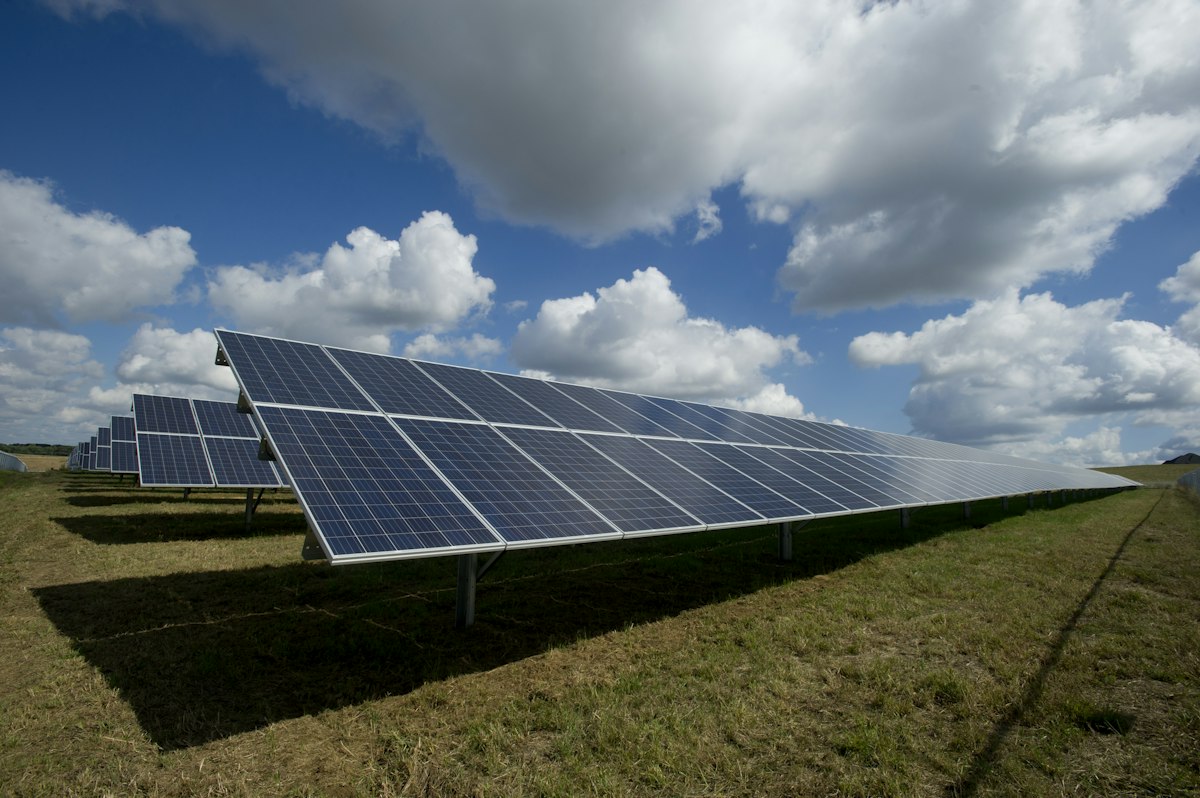
Arkansas is emerging as a significant player in the renewable energy landscape, especially within the MISO (Midcontinent Independent System Operator) power market. With abundant natural resources and favorable regulatory conditions, the state is attracting solar developers looking for land to establish utility-scale projects. This growth is majorly driven by the increasing demand for clean energy solutions, making it an attractive option for landowners and developers alike. The integration of battery energy storage systems (BESS) alongside utility-scale solar projects allows for greater flexibility and reliability in energy production. As Arkansas enhances its energy infrastructure, these developments are pivotal in supporting grid stability and meeting future energy demands.
Utility-Scale Solar Development
Utility-scale solar development in Arkansas is on the rise, with numerous projects exceeding 1 MW capacity already operational or in the pipeline. The state's geographic advantages, including high solar irradiance and ample available land, make it an ideal location for solar farms. Recent years have seen a steady increase in the number of solar developers looking for land, resulting in a pipeline of planned installations that will contribute significantly to Arkansas's renewable energy targets.
Moreover, Arkansas's commitment to decreasing greenhouse gas emissions aligns with the growing market for utility-scale solar energy. As the state moves towards sustainable energy solutions, partnerships between landowners and solar developers are becoming crucial for success, with favorable lease agreements facilitating this transition towards a greener future.
Battery Energy Storage Development
In conjunction with solar projects, battery energy storage systems (BESS) are becoming an essential component of Arkansas's renewable energy strategy. Utility-scale BESS allows for effective energy storage that can help mitigate the intermittent nature of solar power. By storing excess energy generated during peak sunlight hours, these systems ensure a reliable supply of electricity during periods of high demand or low generation.
The trend of co-locating BESS with solar farms is gaining momentum, providing landowners with additional opportunities through battery storage land leases. As the technology continues to evolve, Arkansas is poised to become a leader in BESS development, supported by a robust regulatory framework that encourages investment in energy storage solutions.
Transmission & Interconnection
The transmission infrastructure in Arkansas plays a critical role in facilitating renewable energy development, particularly for utility-scale solar and BESS projects. The state is served by an extensive network of substations and transmission lines that connect generation assets to the electric grid. MISO's interconnection queue provides transparency regarding the integration of new renewable energy projects, allowing developers to plan effectively for future expansions.
As the demand for renewable energy increases, the need for robust transmission capabilities also grows. Arkansas's transmission planning is evolving to accommodate a greater influx of solar and storage projects, ensuring that once developed, these facilities can efficiently deliver clean energy to the markets they serve.
Land Requirements for Renewable Projects
Utility-scale solar projects in Arkansas require significant acreage, generally in the range of 5-10 acres per MW, depending on the technology used and site-specific characteristics. Ideal locations typically include flat land that is easily accessible for heavy machinery and transportation of equipment. Proximity to existing substations is also critical, as this reduces the costs associated with grid interconnection.
In addition to accessibility, soil quality must be considered, as stable ground conditions support the installation of solar arrays and BESS facilities. Sites with minimal environmental impact and low existing land use conflicts are preferred, allowing for sustainable development practices that align with state goals for renewable energy advancement.
Opportunities for Landowners
For Arkansas landowners, entering into a solar land lease or a battery storage land lease presents a unique opportunity to benefit from the growing renewable energy sector. In The Queue LLC is committed to working with landowners to create favorable lease agreements that provide both financial compensation and a partnership in the state’s energy future. These leases not only offer a steady income stream but also contribute to the development of clean energy solutions within the local community.
Working with In The Queue LLC ensures that landowners are not just leasing their land, but also participating in a broader initiative that supports environmental sustainability and energy resilience. As the demand for utility-scale solar and battery storage grows, landowners have a vital role in facilitating this transition and can benefit significantly from the burgeoning renewable energy landscape in Arkansas.
Conclusion
In conclusion, Arkansas stands out as a promising market for utility-scale solar and battery energy storage development within the MISO power market. The collaborative opportunities offered to landowners by In The Queue LLC provide a pathway to engage in and benefit from this growing industry. If you are a landowner with suitable land available, we encourage you to contact In The Queue LLC to explore partnership opportunities that contribute to Arkansas's clean energy future while securing viable financial returns.
If you own land near transmission infrastructure in Arkansas and would like to explore renewable energy development opportunities, please contact our team.
Contact Our Team