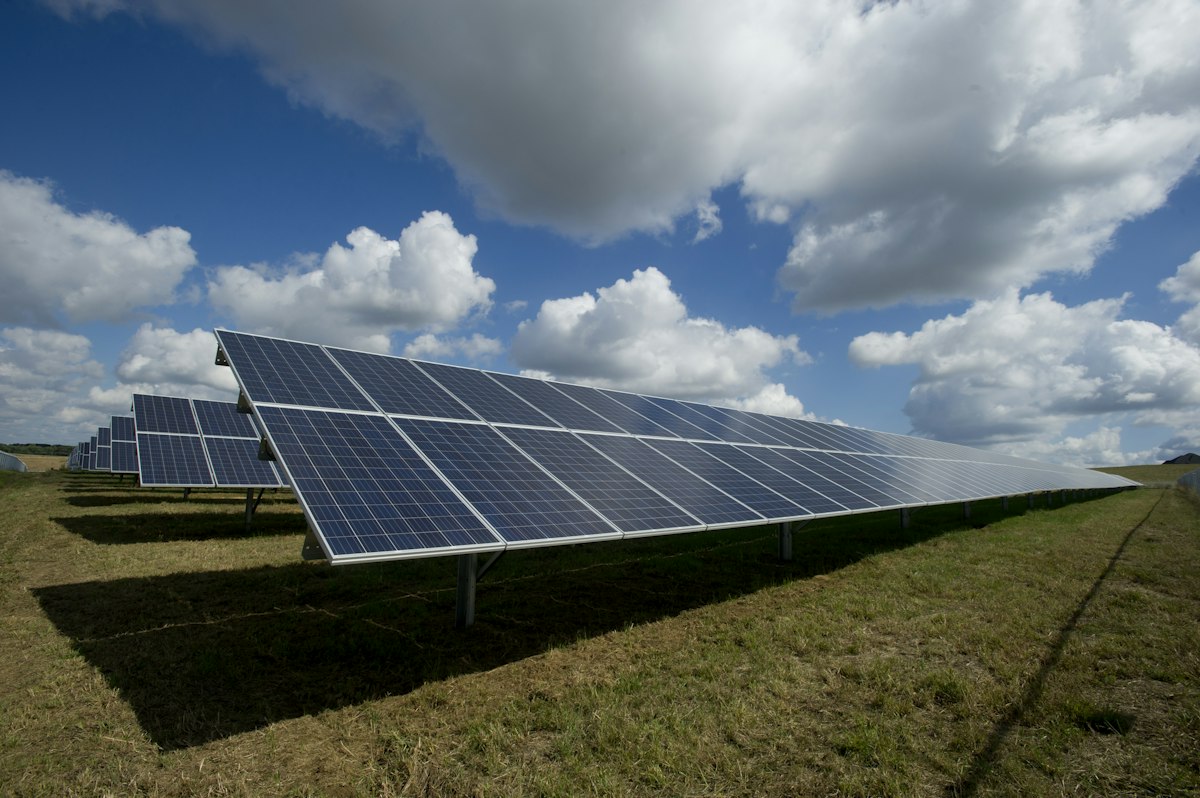
Kansas is experiencing significant growth in utility-scale renewable energy development, particularly in solar and battery energy storage systems (BESS). As a land development company, In The Queue LLC is dedicated to assisting landowners and developers in navigating this expanding market. The Southwest Power Pool (SPP) region, encompassing Kansas, offers a favorable environment for such projects due to its supportive policies, abundant land availability, and commitment to renewable energy integration.
The state's renewable energy goals and policy environment have been instrumental in driving this growth. Kansas has set ambitious targets for renewable energy adoption, aiming to diversify its energy portfolio and reduce carbon emissions. The SPP's proactive approach to integrating renewable energy sources has further facilitated the development of large-scale solar and BESS projects. This collaborative effort between state policies and regional initiatives has positioned Kansas as a leader in renewable energy development in the Midwest.
Utility-Scale Solar Development
Utility-Scale Solar Development in Kansas
Kansas has witnessed a substantial increase in utility-scale solar projects, with a pipeline of over 10 gigawatts (GW) of capacity in various stages of development. This growth is driven by both in-state and out-of-state developers seeking to capitalize on the state's favorable conditions for solar energy production.
Active Developers and Project Sizes
Several prominent developers are actively involved in Kansas's solar market. For instance, Savion is developing the Kansas Sky Energy Center, a 159-megawatt (MW) solar facility in Douglas County. This project exemplifies the scale and ambition of solar developments in the region. Additionally, DEPCOM Power is engineering and constructing the 200 MWdc Kansas Sky Solar project in Northeast Kansas, showcasing the significant investments being made in the state's solar infrastructure.
Recent Announcements and Land Requirements
Recent developments include Evergy's proposal for the Kansas Sky Energy Center, a 600-acre solar farm near Lawrence, Kansas. This project highlights the trend toward larger-scale solar installations in the state. Typically, utility-scale solar projects in Kansas require approximately 300 to 600 acres per 100 MW of capacity, depending on the technology and site conditions. These projects often seek land that is flat, has minimal shading, and is in proximity to existing transmission infrastructure to facilitate efficient energy delivery.
Landowner Opportunities
Landowners in Kansas have the opportunity to engage in solar land leases, providing a stable income stream while contributing to the state's renewable energy goals. Lease terms vary but generally span 20 to 30 years, offering long-term financial benefits. In The Queue LLC specializes in connecting landowners with reputable solar developers, ensuring mutually beneficial agreements that respect land use and environmental considerations.
Battery Energy Storage Development
Battery Energy Storage Systems (BESS) Development in Kansas
The integration of Battery Energy Storage Systems (BESS) is becoming increasingly important in Kansas to enhance grid reliability and support the intermittent nature of renewable energy sources like solar and wind.
Market Growth and Grid Reliability Drivers
Kansas is witnessing a surge in BESS projects aimed at stabilizing the grid and providing ancillary services. For example, Concurrent LLC has proposed the Tallgrass Prairie Energy Center, a 200 MW BESS facility in Halstead, Kansas, designed to improve grid reliability within the SPP market. Such projects are essential for balancing supply and demand, especially as renewable energy penetration increases.
Co-Location with Solar Projects
Co-locating BESS with solar farms offers synergistic benefits, allowing for the storage of excess solar energy generated during peak production times. This stored energy can then be dispatched during periods of high demand or low solar generation, optimizing the use of renewable resources and enhancing grid stability.
Development Opportunities
Landowners with suitable properties can explore battery storage land lease opportunities. These leases typically require smaller land areas compared to solar projects, often ranging from 5 to 20 acres per 20 MW of storage capacity. Proximity to existing transmission lines and substations is a key consideration for developers when selecting sites for BESS projects.
Transmission & Interconnection
Transmission Infrastructure in Kansas
The development of utility-scale solar and BESS projects in Kansas is closely linked to the state's transmission infrastructure, which plays a critical role in integrating renewable energy into the grid.
Major Transmission Lines and Interconnection Queue Activity
Kansas is equipped with a network of high-voltage transmission lines that facilitate the movement of electricity across the state. The SPP's interconnection queue reflects a high level of activity, with numerous renewable energy projects seeking to connect to the grid. This indicates a robust interest in developing renewable energy resources within the region.
Congestion Issues and Recent Grid Investments
While the transmission network is extensive, certain areas may experience congestion due to the influx of renewable energy projects. To address these challenges, significant investments are being made to upgrade and expand transmission capacity. These enhancements aim to alleviate congestion, improve grid reliability, and accommodate the growing number of renewable energy projects in Kansas.
Land Requirements for Renewable Projects
Land Requirements for Utility-Scale Solar and BESS Projects
Understanding the land requirements for utility-scale solar and BESS projects is crucial for landowners considering lease opportunities.
Utility-Scale Solar Projects
Typically, utility-scale solar projects in Kansas require approximately 300 to 600 acres per 100 MW of capacity. This acreage allows for the installation of solar panels, inverters, and other necessary infrastructure while maintaining adequate spacing for optimal energy production. Developers prefer flat or gently sloping land with minimal shading and easy access to existing transmission lines.
Battery Energy Storage Systems (BESS)
BESS projects generally require smaller land areas, often ranging from 5 to 20 acres per 20 MW of storage capacity. These facilities consist of battery units, inverters, and control systems. Proximity to existing transmission infrastructure is a key consideration for developers, as it facilitates efficient energy dispatch and integration into the grid.
Site Selection Criteria
Developers look for sites that offer favorable topography, soil conditions, and accessibility. Proximity to substations and transmission lines is essential for minimizing interconnection costs and ensuring efficient energy delivery. Landowners with properties meeting these criteria are well-positioned to engage in renewable energy land lease agreements.
Opportunities for Landowners
Landowner Opportunities in Kansas
Landowners in Kansas have the opportunity to participate in the growing renewable energy sector through solar and battery storage land leases.
Solar Land Leases
Solar land leases typically span 20 to 30 years, providing landowners with a stable income stream over an extended period. Lease payments are often structured as annual payments or a percentage of the revenue generated by the solar facility. In The Queue LLC assists landowners in negotiating favorable lease terms, ensuring that agreements are mutually beneficial and aligned with the landowner's interests.
Battery Storage Land Leases
Battery storage land leases generally require smaller land areas and offer flexible lease terms. These agreements can provide additional income streams for landowners while supporting the integration of renewable energy into the grid. In The Queue LLC works closely with landowners to identify suitable sites and connect them with reputable developers, facilitating the development of BESS projects that benefit all parties involved.
Getting Started
Landowners interested in exploring renewable energy land lease opportunities should conduct a thorough assessment of their property's suitability, considering factors such as land size, topography, soil conditions, and proximity to transmission infrastructure. Engaging with a knowledgeable partner like In The Queue LLC can provide valuable insights and guidance throughout the leasing process, ensuring that landowners make informed decisions that align with their financial and personal goals.
Conclusion
Kansas's commitment to renewable energy, coupled with the supportive policies of the Southwest Power Pool, has created a dynamic environment for utility-scale solar and BESS development. Landowners have a unique opportunity to engage in this growing sector through solar and battery storage land leases, providing long-term financial benefits while contributing to the state's renewable energy objectives. Partnering with experienced developers and consultants, such as In The Queue LLC, can facilitate a smooth and profitable transition into the renewable energy market.
If you own land near transmission infrastructure in Kansas and would like to explore renewable energy development opportunities, please contact our team.
Contact Our Team